Beyond the Rainforest
The thrill of reverse-hunting
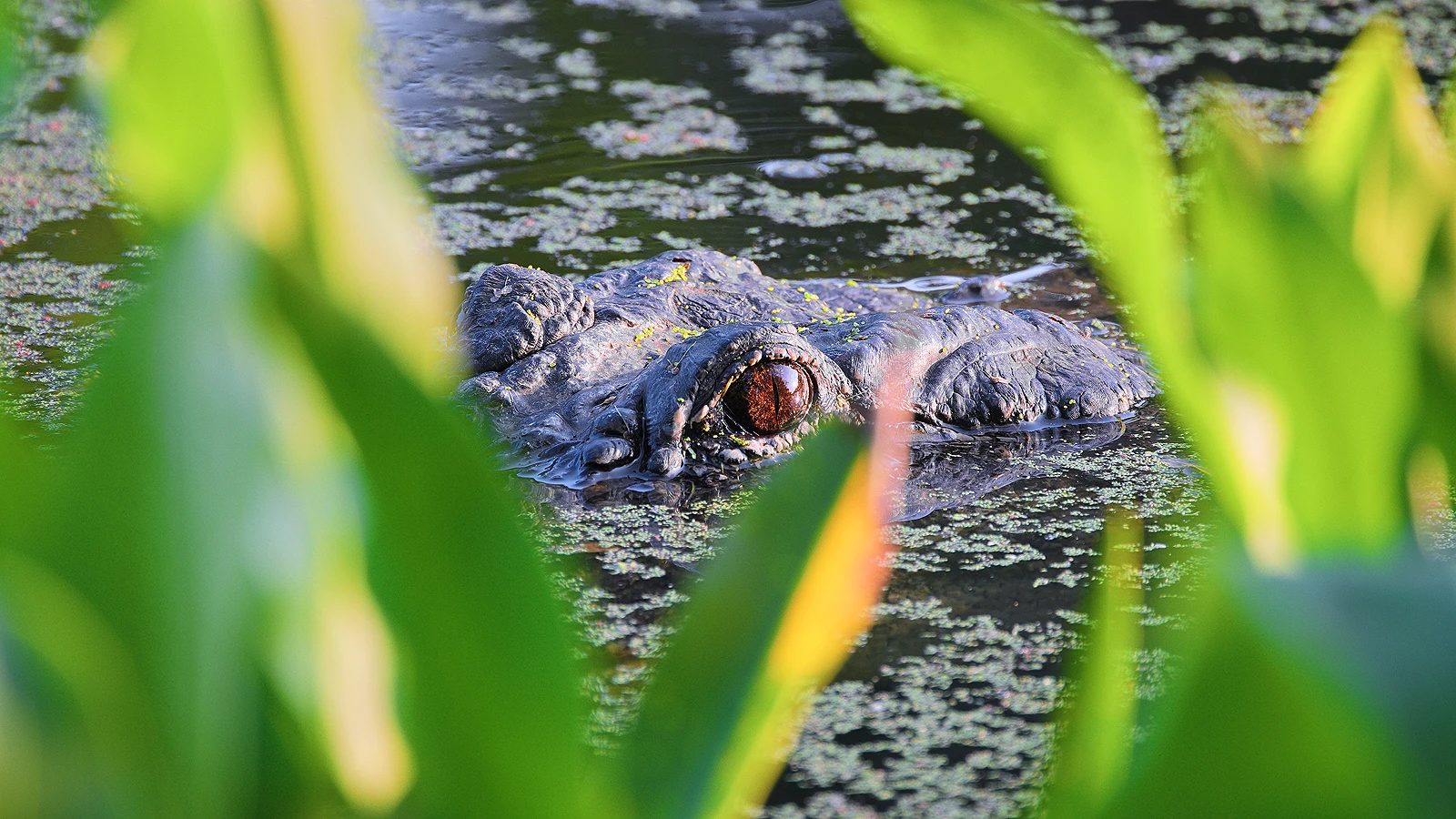
Ever since I bought my first camera, a Canon 5D Mark II in early 2009, I have been hooked on timelapse photography. For me, timelapse photography has always been the best medium to convey how I see the world, offering a level of precision and sharpness that regular video just couldn't match.
Recently, though, I decided it was time to try something different. I’ve always been fascinated by wildlife, and many of the creators I follow on social media are wildlife photographers. I finally gave myself permission to step outside my comfort zone and give it a shot.
Before getting started, I set two ground rules for myself:
- No zoos or enclosures.
Shooting in a controlled environment misses the point entirely. I want my work to depict animals living wild and free. Exactly as they belong in their natural habitats.
- Lower my expectations.
Don’t play the comparison game, tune out the noise, do my best and just enjoy being out in nature.
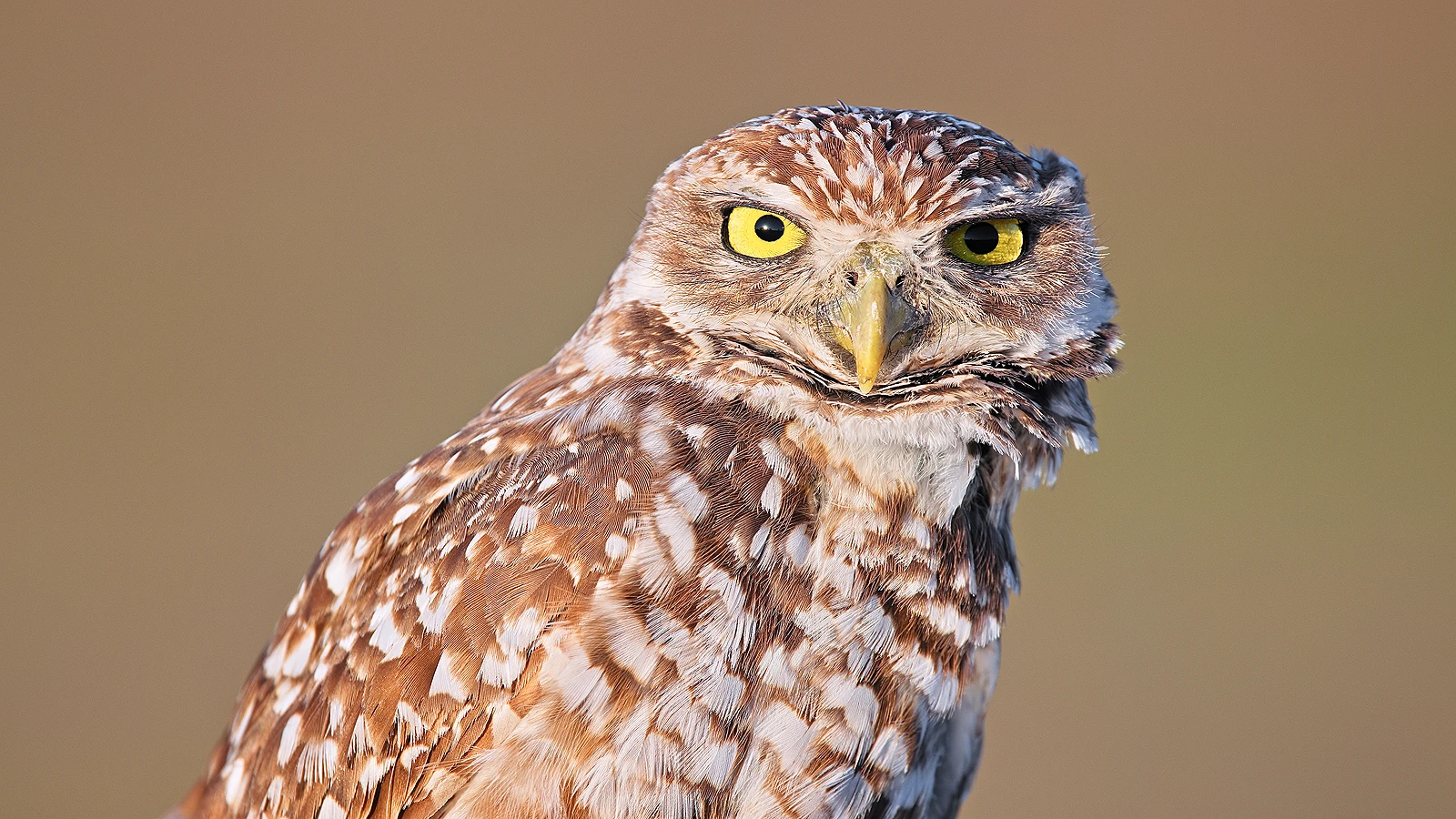
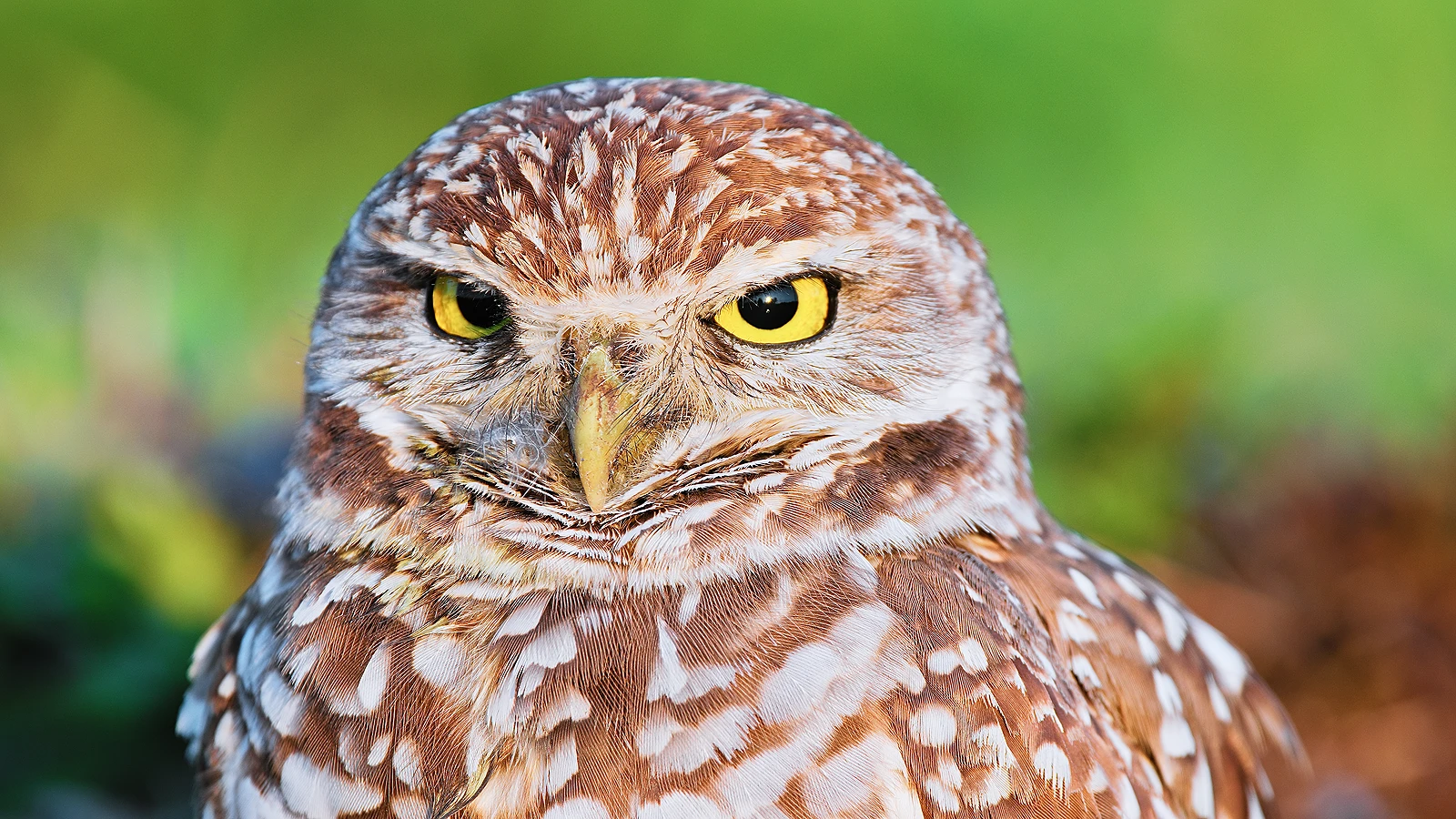
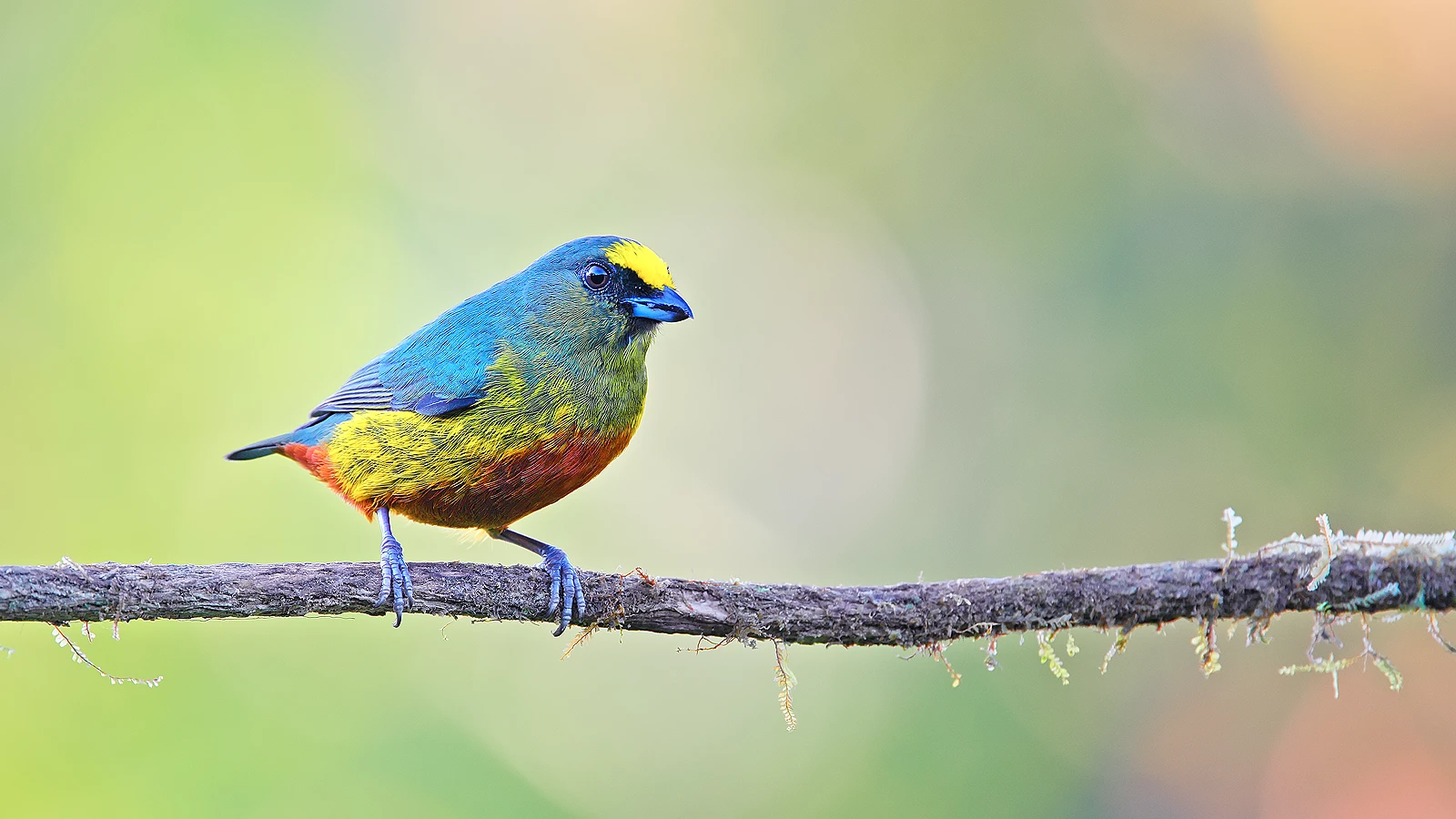
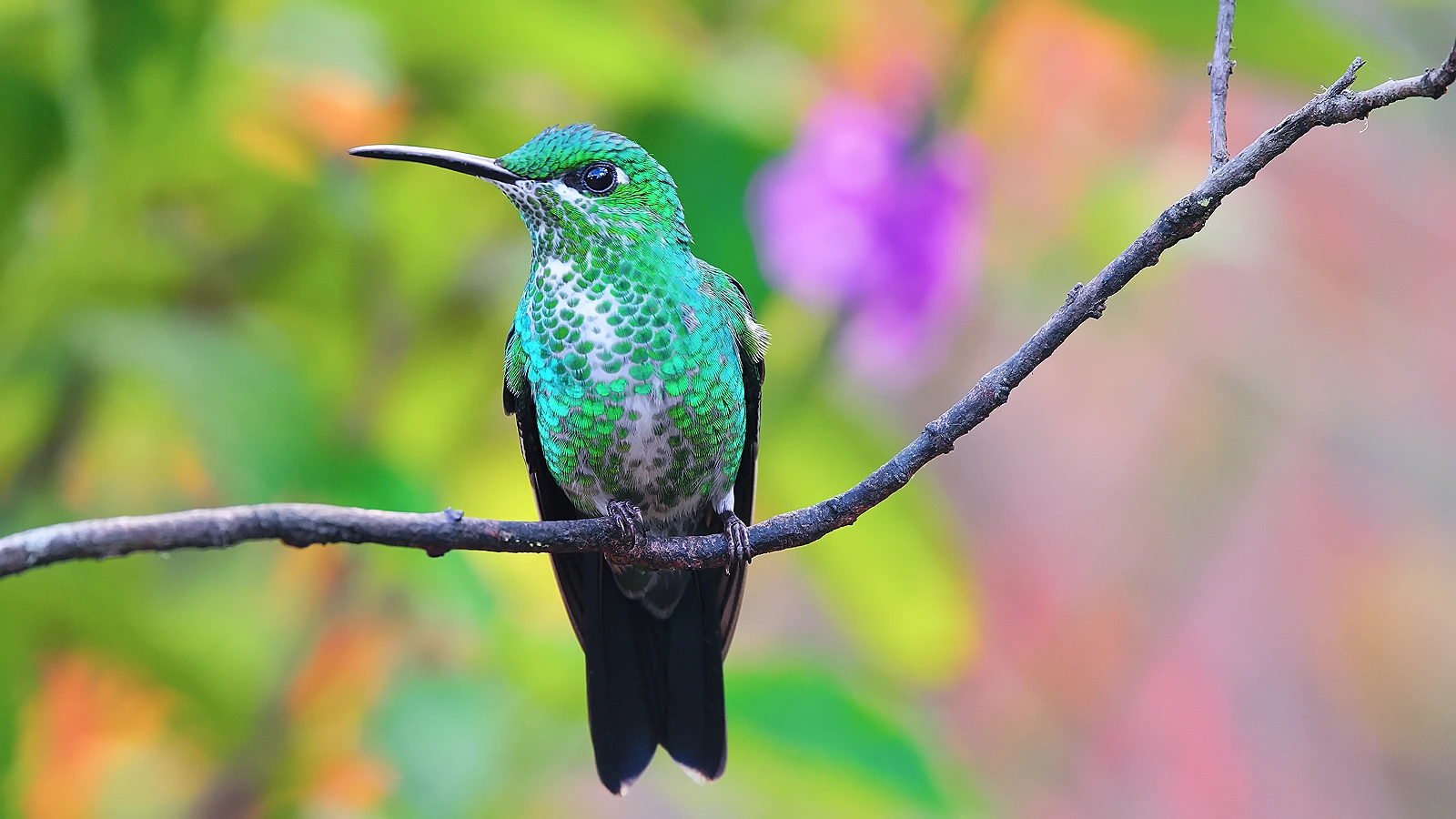
For this project, I spent time in the rainforests of Costa Rica and the wetlands of South Florida. Along the way, I picked up a few key takeaways:
- Wildlife photography is hard. Wildlife videography is even harder.
Things happen fast out there. You can freeze a single great frame out of an otherwise chaotic sequence. However, capturing a full moment depends on everything going right for seconds, not split-seconds.
- Patience is everything.
Animals don’t care about your project. They rarely pose the way you want them to, which can easily lead to frustration. My years in timelapse photography got me used to waiting around for nature to do its thing, but wildlife takes that to another level. I tried to approach it like a documentary filmmaker: just let the story unfold. Some days you get magic, and some days, that story simply isn't all that interesting.
- You can’t always shoot in ideal conditions.
With limited time, I had to stretch my shooting windows into harsh sun or flat, cloudy skies to capture good footage. Balancing those mismatched lighting conditions made post-production much harder.
- Picking the right camera makes a world of difference.
Good autofocus helped lock onto fast targets, but my camera lacked a pre-record function. I quickly realized just how essential pre-recording is when capturing unpredictable animal behavior.
- Editing is half the battle.
Congratulations, filming is done. Now comes the hard part: taking all that raw footage and somehow turning it into a story worth watching.
While I've got a list of technical tweaks to make for next time, I’m happy with how everything turned out and, had a lot of fun doing it. I can see why wildlife filmmaking is so addictive. It feels a bit like reverse-hunting: you track and wait, but instead of taking a life, you record its beauty and celebrate its life.